WebStand For Local Government
Websites And Web Security For Local Government
Built for local government. Designed for your people.
Beautiful, functional, secure, and compliant.
Who We Are
WebStand is the local government practice of Off The Clock Software. We work with cities, villages, and townships that want a beautiful, functional website. We also treat security, compliance, and long-term reliability as essential to our work and not an afterthought.
What We Do
We design and maintain beautiful, intuitive websites for cities, villages, municipalities, and townships. Every site is structurally sound, secure, and compliant, and truly representing its community. We also build software to make sure every bit of your website is functioning exactly the way you need it to.
Designed Around Residents And Clerks
A municipal website should save time at the counter and on the phone. We organize every village, township and city website around the tasks residents and staff actually do each week:
- Agendas, Minutes & Ordinances In Two Taps.
- Council and trustee packets, budgets and public notices organized clearly by board and year so residents find them on their phone instead of calling the clerk’s office.
- Utility Bills, Permits & Public Records.
- Direct, prominent links to the water, sewer, trash or tax payment tools your municipality already uses, plus mobile-friendly zoning, permit and records request forms.
- Road Closures, Boil Advisories & Snow Alerts.
- An emergency notice banner at the top of the home page that your clerk, administrator or road superintendent can turn on or off in under a minute.
- Department Directory & Community Calendar.
- Clear phone numbers, hours and contacts for council, fiscal officer, police, fire, water, zoning and parks, alongside upcoming public meetings and community events.
- Public Safety, Courts & Special Districts.
- Non-CJIS police and sheriff community tip and records forms, fire burn-permit notices, municipal court public docket links, and dedicated hubs for water, sewer, library, cemetery and park districts.
- Clean, Accessible Public PDFs.
- Help converting sideways scanned packets and legacy forms into searchable, screen-reader-friendly documents that strip hidden workstation metadata before publishing.
- Official .gov Domain & Email Continuity.
- Step-by-step support moving from a commercial address to a verified .gov domain while keeping every clerk, council, and department email working smoothly.
Get Free Security Presentation
Before we ever talk price, we look at your current website the way the public internet already sees it, and we present what we find to your city.
- We run a three-layer security assessment of your public site: automated scanning, an in-depth technical analysis, and a review by a member of our team before anything reaches you.
- We write it up in plain language — what it is, why it matters, and what to do.
- You get the findings whether or not you ever hire us.
There is no charge for this, and no obligation.
Request a Deeper Security Testing (find the form below)
If you want to go further than the public view, we offer deeper, authorized security testing of the systems you ask us to assess. This is done only with your written authorization, only on the systems you name, and you receive a clear report with findings and fixes.
We also publish our vulnerability disclosure policy and security.txt, our 2026 Municipal & Small Business Website Benchmarks, and our printable DOJ ADA Title II readiness checklist so researchers, clerks and public-sector partners can verify every standard and report a security issue to us.
Does your city or county operate a municipal animal shelter? City and county municipal animal shelters qualify for a custom shelter website and ongoing ad-free hosting for free through our Free Pet Shelter Website Grant.
Built Exactly As How You Need It
Every municipal website we deliver is engineered for accessibility, speed, security, and full local ownership:
- Accessible.
- Built to meet the accessibility standards local government is held to, including WCAG 2.1 Level AA under the federal ADA Title II rule.
- Fast And Reliable.
- Hosted on modern edge infrastructure so pages load in under a second on a phone.
- Maintained.
- We keep the site and its software up to date, and handle routine document and notice updates when your office is busy.
- Yours.
- Your content, your domain, your control — including assistance moving to an official .gov web address.
- Insured.
- WebStand carries technology errors-and-omissions and cyber liability insurance.
- Direct Support.
- When your clerk or administrator needs a change or has a question, you reach our engineering team directly by phone, text, or email.
Historic Ohio Courthouses & Municipal Heritage
A county courthouse and town square tell the story of a community before a visitor ever steps inside. Here are six historic Ohio municipal seats — their architecture, civic data, and local history:
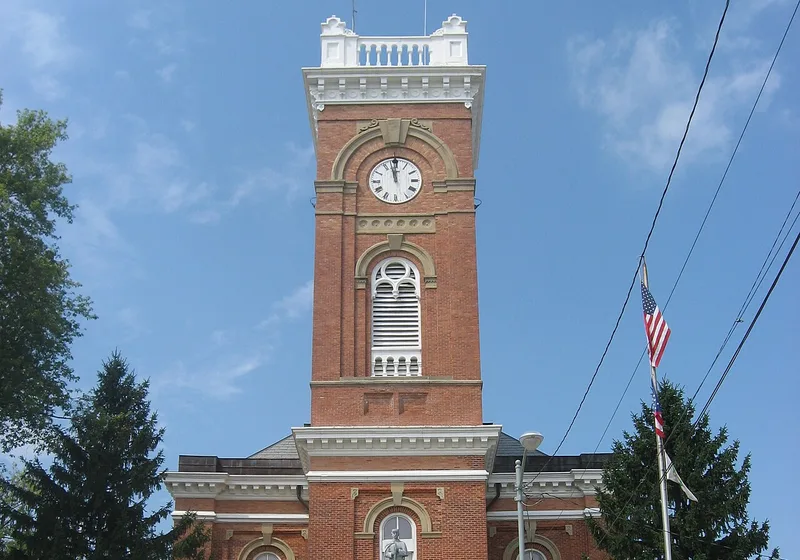
Fulton County Courthouse — Wauseon, Ohio

Williams County Courthouse — Bryan, Ohio

Hancock County Courthouse — Findlay, Ohio
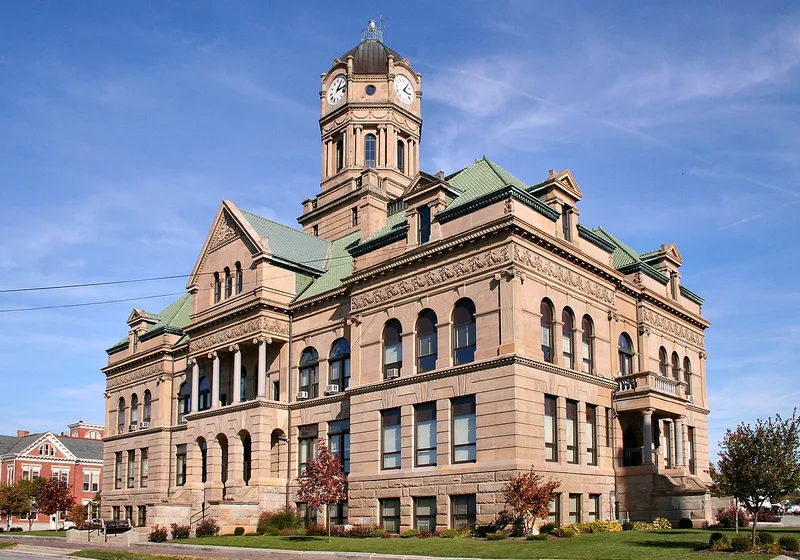
Auglaize County Courthouse — Wapakoneta, Ohio
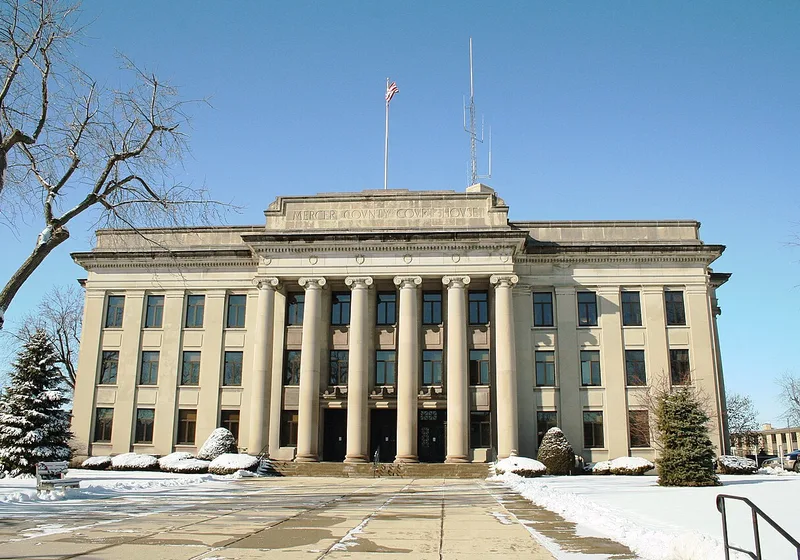
Mercer County Courthouse — Celina, Ohio
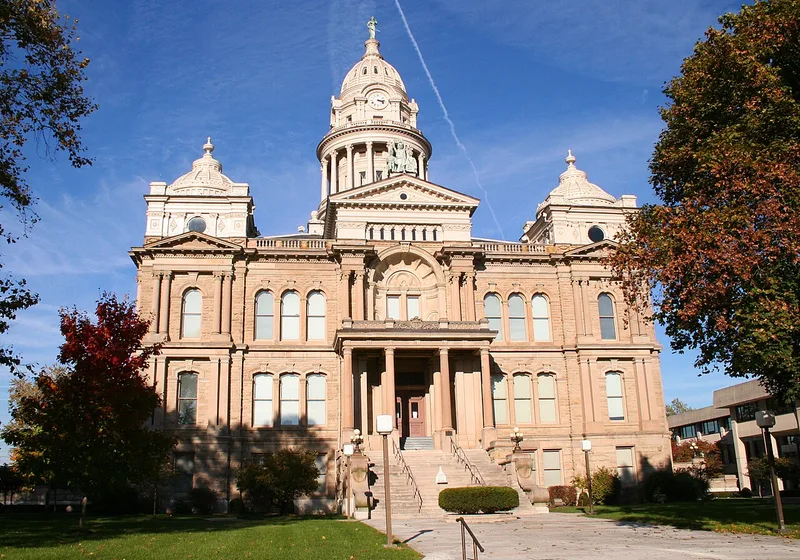
Miami County Courthouse — Troy, Ohio
Photographs: Public Domain & CC0 municipal courthouse archives via Wikimedia Commons.
Questions From Clerks, Council, And Mayors
What happens during the free security presentation?
We inspect your current municipal website from the outside using only public records: DNS, email authentication, TLS certificates, browser security headers, software versions cross-referenced with CISA advisories, and public PDF packets. We write up what we find in plain language and present it to your council, clerk or administrator at no cost and with no obligation.
What is the April 26, 2028 federal ADA Title II web accessibility deadline?
Under the Department of Justice ADA Title II rule (28 CFR Part 35), small cities, villages and townships under 50,000 residents must make their public websites and public PDF documents meet WCAG 2.1 Level AA accessibility standards by April 26, 2028. Every municipal site we build is designed to meet WCAG 2.1 Level AA from day one.
Can our clerk or staff post agendas, minutes and road alerts without calling a developer?
Yes. We build municipal sites so staff can post council agendas, meeting minutes, public notices and urgent road or water alerts in a couple of minutes from an office computer or phone, or simply email the document to our team and let us post it for you.
Can you help our village, township or city move to an official .gov address?
Yes. Moving to a .gov domain makes it much harder for criminals to impersonate officials or utility billing by email. We prepare the registrar paperwork, set up the DNS and mail authentication records, and redirect your old web address so residents and staff email never miss a beat.
How do you handle older PDF packets, scanned forms and ongoing maintenance?
We help convert sideways scanned packets and legacy forms into searchable, screen-reader-friendly documents that strip hidden workstation metadata before publishing, organize council and trustee packets, budgets and public notices clearly by board and year, keep the site and its software up to date, and handle routine document and notice updates when your office is busy.
Do you support police, fire, municipal courts and special districts like water, library or park boards?
Yes. We build public-facing, non-CJIS pages and workflows for police and sheriff community tips and public records requests, fire department burn permits and station notices, municipal court public schedules and payment links, and standalone water, sewer, library, cemetery and park districts.
Request A Free Security Presentation
Tell us your city or township and your website address. We will run the free public security check and present the findings to your city.
Request A Deeper Security Testing
Want authorized testing beyond the public view? Tell us your municipality, website or system, and what you want assessed.